
Shop Online
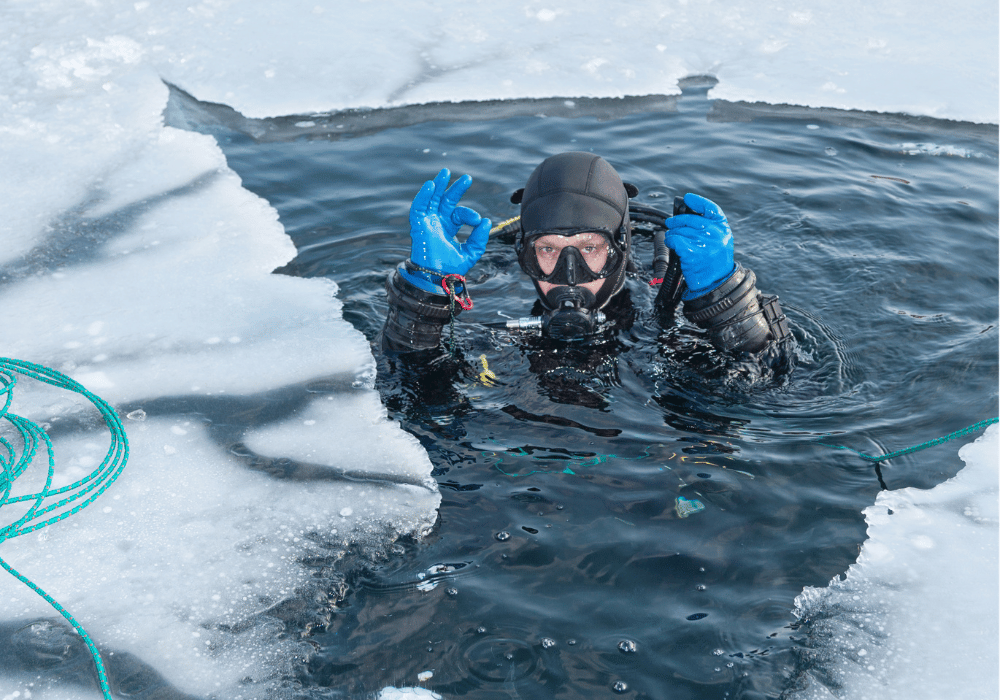
For many Canadian divers, the end of summer signals a bittersweet reality: the dive season is winding down. As water temperatures drop, the thought of squeezing into a damp wetsuit becomes less appealing, and precious gear is often packed away until the spring thaw. But what if the changing seasons did not have to mean the end of your underwater adventures? What if you could comfortably explore the crystal-clear visibility of a winter lake or witness the unique marine life that thrives in colder waters? This is not just a possibility; it is a reality made accessible by one of the most transformative pieces of dive gear available: the dry suit.
A wetsuit works by trapping a thin layer of water against your skin, which your body then heats. In the chilly waters of an Ontario autumn or the frigid depths of a winter dive, your body simply cannot generate heat fast enough to stay comfortable, leading to shorter, less enjoyable, and potentially unsafe dives. A dry suit, on the other hand, takes a completely different approach. It is designed to keep you completely dry, creating a sealed barrier between you and the water. This fundamental difference is the key that unlocks a whole new world of year-round diving, turning what was once an off-season into a prime opportunity for exploration.

Unlike a wetsuit, which is made of neoprene that allows water to enter, a dry suit is essentially a waterproof shell fitted with watertight seals at the neck and wrists, and integrated boots. No water gets in. Your thermal protection comes not from the suit itself, but from the insulating undergarments you wear beneath it. This layering system is what makes the dry suit so incredibly versatile. You can customize your insulation based on the water temperature, wearing a thin base layer for a cool spring dive or a thick, high-loft thermal suit for a sub-zero expedition. This ability to tailor your warmth is a game-changer, allowing you to maintain a comfortable core body temperature for the entire duration of your dive.
Staying warm is not just about comfort; it is a critical safety factor. When your body gets cold, your blood vessels constrict to conserve heat for your vital organs. This can impair your judgment, slow your reaction time, and reduce your dexterity, making it difficult to operate your gear. By keeping you warm and dry, a dry suit helps you stay sharp, focused, and in control, significantly enhancing your safety and confidence in cold water environments. Furthermore, because your body is not expending massive amounts of energy just to stay warm, you often feel less fatigued after a dive and may even consume less air, potentially allowing for longer bottom times.
Some of the best diving conditions in Canada occur outside the traditional summer months. In the fall and winter, the absence of warm-weather algae blooms often results in breathtaking underwater visibility. The water can become so clear that you can see astonishing distances, revealing shipwrecks and geological formations in stunning detail. This is a spectacle that divers who stick to wetsuits and warm weather will simply never get to experience. A dry suit is your personal ticket to this exclusive underwater show.
Imagine descending into the tranquil, gin-clear waters of a Georgian Bay shipwreck in late October, with the sunlight filtering down through the crisp, cool water. Or picture yourself exploring the vibrant ecosystem beneath the ice in a lake near Tobermory, watching as fish move slowly in the calm, silent world below. These are the unique and unforgettable experiences that year-round diving offers. It allows you to see familiar dive sites in a completely new light and discover a side of the Canadian underwater landscape that remains hidden for much of the year.
While the ability to dive in winter is a major benefit, the advantages of a dry suit extend far beyond the coldest months. They are a superior choice for any dive where the water temperature is cool, which includes a significant portion of the Canadian dive season. Even in the middle of summer, deep dives in the Great Lakes or off the coast of British Columbia can involve penetrating thermoclines where the temperature plummets dramatically. A wetsuit diver might have to cut their dive short due to the cold, but a dry suit diver can continue their exploration in complete comfort.
This makes a dry suit an incredibly valuable investment for any serious Canadian diver. It dramatically increases the number of comfortable diving days available to you each year. Instead of a season that lasts from June to September, your season can stretch from April through November, or even become a full 12-month passion. It empowers you to dive when you want to, not just when the weather permits, maximizing the return on your investment in training and other equipment.
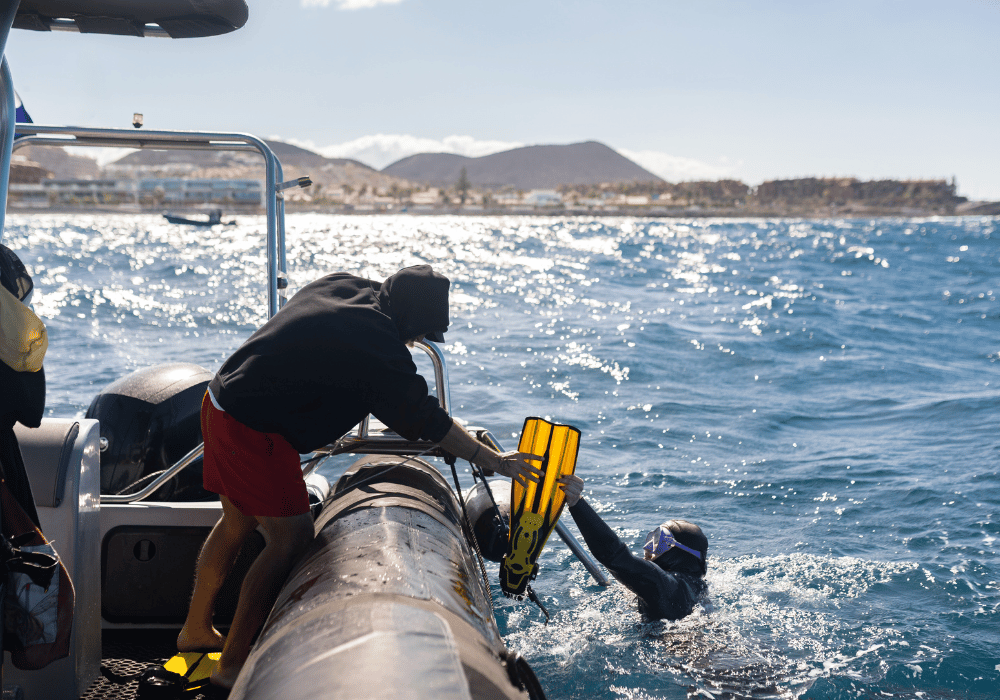
It is important to understand that diving in a dry suit requires specific training. The suit contains air, which affects your buoyancy in a different way than a wetsuit does. A Dry Suit Diver certification course will teach you the essential skills needed to manage this new buoyancy profile, including how to properly add and vent air from the suit, how to control your ascents and descents, and how to handle potential emergencies like an inverted ascent. This training is non-negotiable and is the key to diving safely and confidently in your new gear.
When you start looking, you will find there are two primary types of dry suits: neoprene and trilaminate. Neoprene dry suits are made from a compressed foam neoprene that offers some inherent insulation and is more form-fitting. Trilaminate suits, on the other hand, are made from a three-layer fabric shell that is lightweight, durable, and offers no insulation on its own, relying entirely on your undergarments for warmth. Both have their advantages, and the right choice depends on your personal preferences, budget, and the type of diving you plan to do.
Choosing to invest in a dry suit is choosing to invest in more diving. It is a commitment to expanding your skills, your comfort, and your opportunities for adventure. It is the single most effective piece of equipment for unlocking the full potential of diving in a temperate climate like ours. No longer will you have to pack your gear away and count the days until spring. The underwater world will be open to you year-round, in all its varied and spectacular glory.
At Benthic Scuba, we are passionate about helping divers get the most out of their sport. We offer a curated selection of reliable dry suits from the industry’s leading manufacturers, as well as the certified training you need to use them safely. Our expert team can walk you through the different styles, help you find the perfect fit, and advise you on the best undergarments for your needs.
If you are ready to stop letting the calendar dictate your dive schedule and start exploring the underwater world whenever you want, reach out today. Let us help you open the door to a whole new season of diving.
