Shop Online
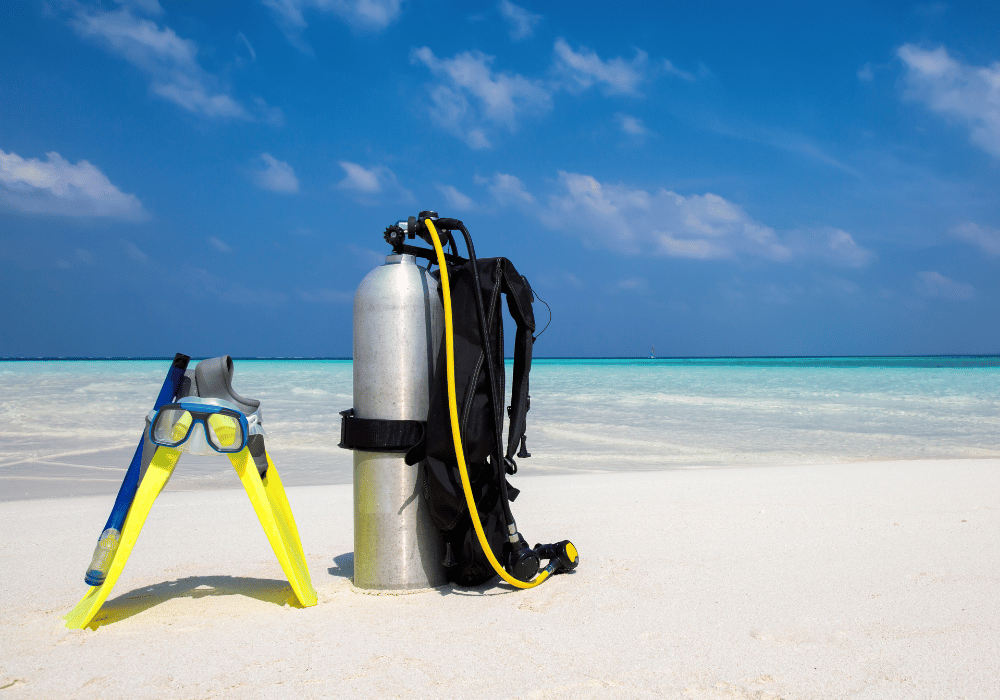
For many seasoned divers, the idea of renting equipment might seem counterintuitive. After all, most advanced divers take pride in curating their own kit, fine-tuning every regulator hose length and BCD strap for optimal comfort and performance. Owning your own gear offers familiarity and confidence, which are crucial when you are 30 metres underwater. However, there are specific scenarios where scuba gear rental becomes not just a viable option, but the smartest logistical choice for even the most experienced underwater explorers.
Travelling with full scuba gear has become increasingly difficult and expensive. Airline baggage fees are rising, weight limits are shrinking, and the hassle of dragging a heavy rolling bag through airports can dampen the excitement of a trip. Furthermore, testing new technology or trying a different configuration—like switching from a jacket-style BCD to a backplate and wing—is often easier through rental than outright purchase. Understanding when and how to rent high-quality gear can save you money and stress without compromising your safety or dive experience.
This guide explores the strategic role of rental equipment for advanced divers. We will discuss how to evaluate rental gear quality, why renting can be a testing ground for future purchases, and how to handle the logistics of renting while maintaining your high standards for safety and performance.
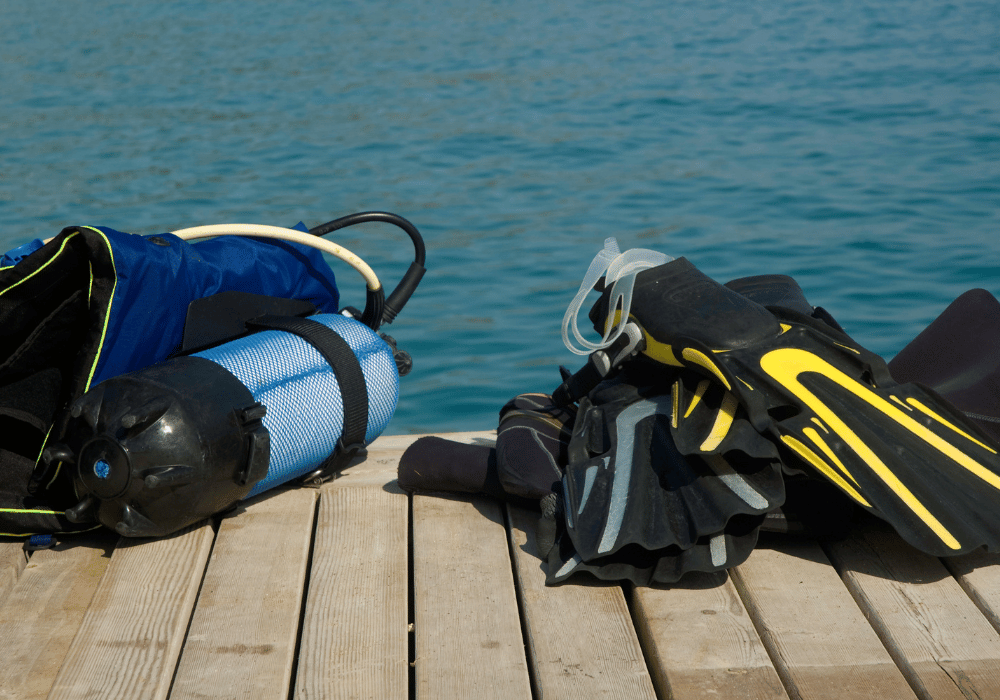
The most common reason advanced divers turn to rental counters is travel. If you are planning a trip to a remote destination or a multi-leg journey, hauling 20 kilograms of dive gear is a burden. While you might never leave home without your own mask, computer, and perhaps your regulator, other bulky items like BCDs, fins, and wetsuits are prime candidates for rental. This hybrid approach allows you to maintain the comfort of your personal fit items while outsourcing the heavy lifting.
Renting at your destination also eliminates the risk of your expensive personal gear getting lost or damaged by airline baggage handlers. Nothing ruins a dive trip faster than arriving at your destination only to find your regulator crushed or your bag sent to the wrong continent. By choosing a reputable shop at your destination or renting locally before a road trip, you ensure the gear is ready when you are.
Another overlooked benefit of scuba gear rental is the opportunity to “try before you buy.” As an advanced diver, you know that gear preferences evolve. You might be considering upgrading to a high-performance regulator, switching to a drysuit for colder Canadian waters, or trying out a new style of fin. Reading reviews is helpful, but nothing compares to actually taking the equipment for a dive.
Many dive shops offer premium rental fleets that include high-end models, not just the basic entry-level gear used for open water students. Renting allows you to test different brands and configurations in real-world conditions. You can evaluate how a BCD handles trim, how a regulator breathes at depth, or how a drysuit fits before committing thousands of dollars to a purchase. This experiential data is invaluable for making informed investment decisions for your personal kit.
As an experienced diver, your standards for equipment are higher than those of a beginner. You need to know that the rental gear has been serviced properly and will perform reliably in challenging conditions. When you approach a rental counter, do not be afraid to inspect the gear thoroughly. Check the hoses for signs of wear or cracking, inspect the BCD bladder for leaks, and look at the service dates on the regulator first stages if visible.
Ask the shop staff about their service intervals and maintenance protocols. A professional shop will be transparent about how they care for their fleet. They should be able to tell you when a specific regulator was last serviced. If you are planning technical or deep dives, ensure the rental gear is rated and appropriate for those specific profiles. Divers Alert Network (DAN) offers excellent advice on what to check when renting dive gear to ensure your safety.
For most advanced divers, the sweet spot lies in a hybrid strategy. You bring the items that rely heavily on personal fit and familiarity, and rent the generic, bulky items. Your mask is non-negotiable; a leaking mask is a nuisance for a novice, but a major distraction for an advanced diver focused on tasks or photography. Your dive computer is another item you should always own and bring. You know its algorithm, its alarms, and its interface. Using a rental computer you are unfamiliar with can lead to confusion or safety violations underwater.
Regulators are a grey area. Some advanced divers refuse to use rental regulators due to hygiene or performance concerns. However, high-quality rental regulators are often available. If you choose to rent a regulator, bringing your own mouthpiece is a small but effective way to increase comfort and hygiene. Wetsuits and exposure protection are also personal; if you have an unusual size or get cold easily, bringing your own suit is often worth the baggage space. Fins, weights, and tanks are almost always better to rent.
When you rent gear, you are accepting responsibility for it. Advanced divers often venture into environments that are harder on equipment, such as wrecks or caves. Be clear on the rental agreement regarding damage and loss. Does the shop offer an insurance waiver? If not, check if your personal dive insurance or travel insurance covers rental equipment.
Understanding the terms of your rental is crucial. Some shops charge by the day, while others charge by the dive. If you are renting for a week-long trip, ask about weekly rates or package deals. Clarify the return policy as well—do you need to wash and dry the gear, or does the shop handle that? Knowing these details upfront prevents awkward conversations and unexpected fees when you return the equipment.
While renting at a tropical destination is common, renting from your local dive shop before a local excursion has its own merits. Local shops in Ontario understand the specific demands of our cold freshwater environment. They stock appropriate exposure protection, like 7mm wetsuits or drysuits, and cold-water rated regulators that you might not find in a tropical resort.
Building a relationship with your local shop through rentals can also open doors. They get to know your preferences and sizing, making future rentals seamless. They can often set aside specific pieces of gear they know you prefer. At Benthic Scuba, we pride ourselves on maintaining a rental fleet that meets the standards of demanding local divers. Whether you need a specific tank size for a long wreck dive or a full kit for a weekend in Tobermory, our scuba gear rental plans are designed with flexibility and quality in mind.
The decision to rent or buy is not binary. It is a fluid choice that depends on the destination, the type of diving, and your current budget. For advanced divers, rental gear is a tool that enhances flexibility. It allows you to travel lighter, test new technology, and adapt to different diving environments without needing a warehouse to store every possible piece of equipment.
By approaching rentals with a critical eye and a clear understanding of your needs, you can ensure that every dive is safe, comfortable, and enjoyable. Do not let the logistics of gear ownership limit where or how you dive. Embrace the options available to you and focus on what matters most: the experience underwater.
If you have questions about availability for your next trip or want to try out a specific piece of equipment, we are here to help. Reach out today to discuss your needs with our team of experienced divers.
